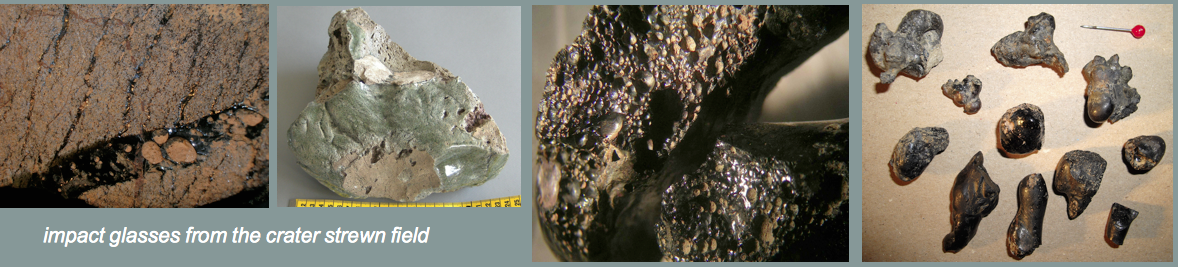
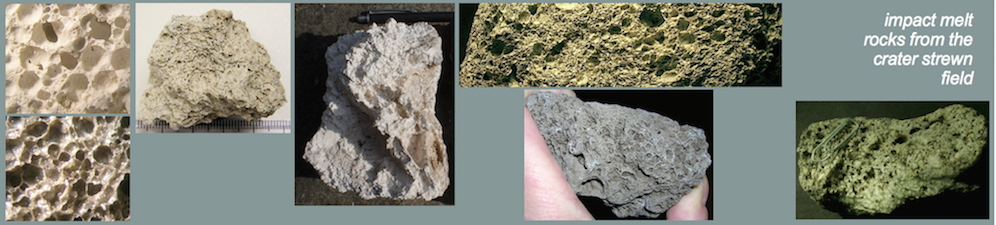
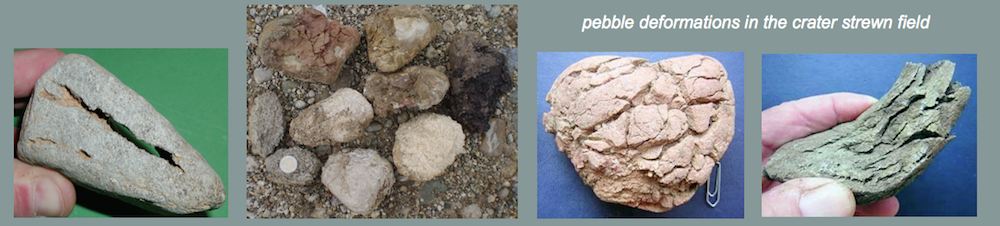
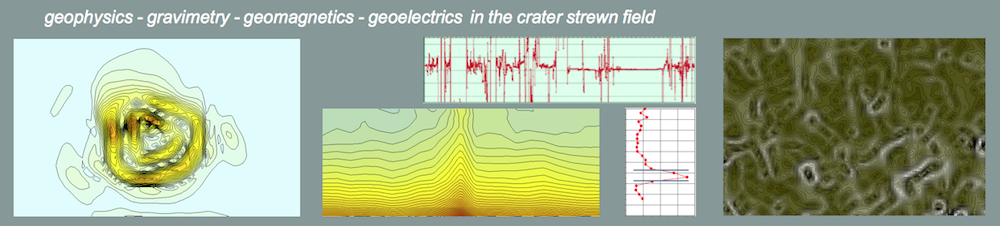
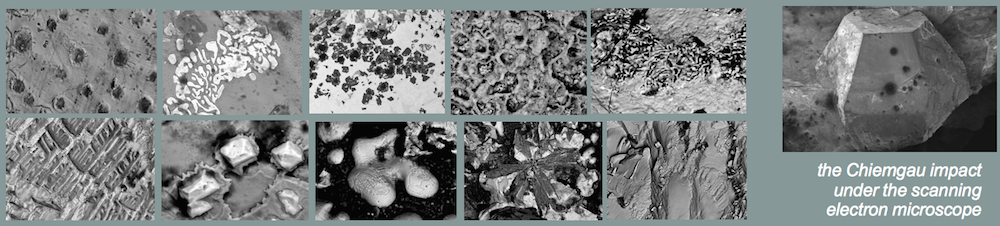
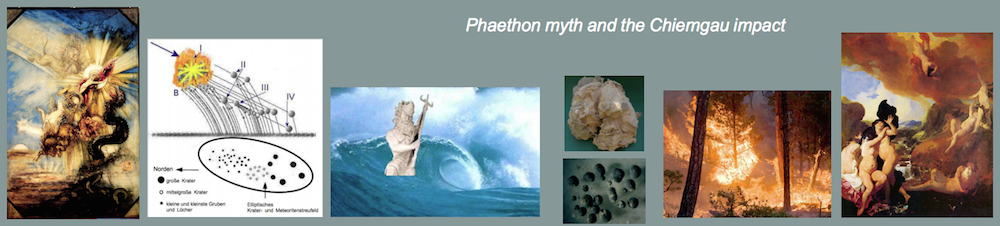
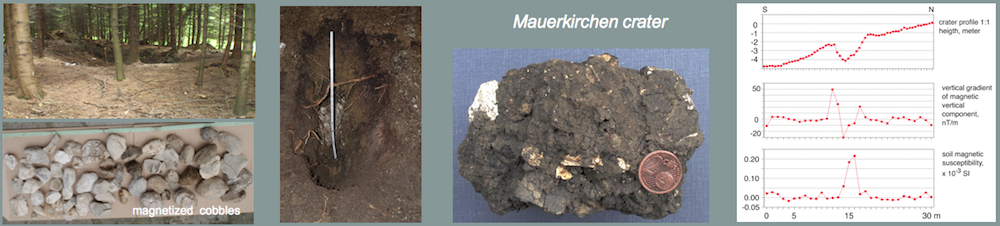
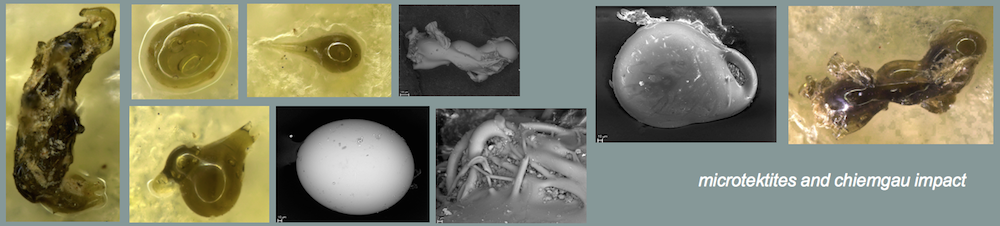
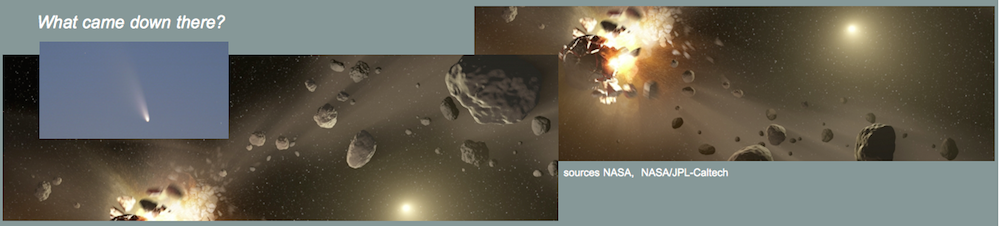
Chiemgau impact (hypothesis) is a term that denotes a meanwhile manifoldly proved meteorite impact that happened as an extraordinary event in prehistoric times (Bronze Age, Celtic era) in southeast Bavaria (Germany). A large cosmic body (a comet or an asteroid) hit the ground and left a big crater strewn field with all relevant impact evidence. This website focuses on all aspects of the related scientific research including reports and publications on geosciences, astronomy, archeology and science of history, but also on discussions of this spectacular research area. In the Wikipedia four-line article "Chiemgau impact hypothesis" this event is characterized as "an obsolete scientific theory" that has been raised "by a team of hobby-archaeologists". This is grossly deceptive and typifies the standpoint of a few obstinate opponents of the Chiemgau impact, hence taking their side and thwarting Wikipedia requirements.
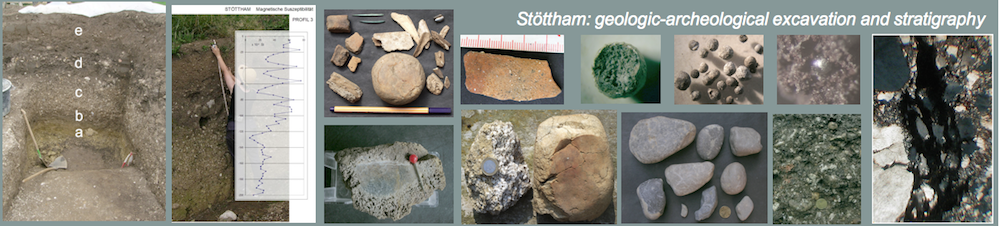
Abstract. – Archaeological sites undoubtedly destroyed by a meteorite impact had not been identified so far. For such a proof, both a meteorite impact and its definite effects on an archaeological site would have to be evidenced. This review article reports on geoarchaeological investigations, involving mineralogy, petrography, and geophysics, which established evidence that two prehistoric human settlements have been affected by the Late Bronze Age/Early Iron Age (ca. 900-600 BC) Chiemgau meteorite impact in southeastern Germany. One site, the Mühlbach area, was affected by the ejecta from the 600 m Ø-Tüttensee crater, one of the largest craters in a crater strewn field measuring about 60 x 30 km. At the other site, Stöttham close to Lake Chiemsee, the catastrophic layer of the impact was found embedded in the archaeological stratigraphy of a settlement, which had been repeatedly occupied from the Neolithic to the Roman era. At both sites, artifacts have become components of impact rocks, establishing a hitherto unknown form of an impact rock, an artifact-in-impactite. The immediate coexistence of rocks, which exhibit impact-diagnostic shock metamorphism, with relicts of metallic artifacts, as encountered in finds from Stöttham, are unprecedented evidence of human experience of a meteorite impact.
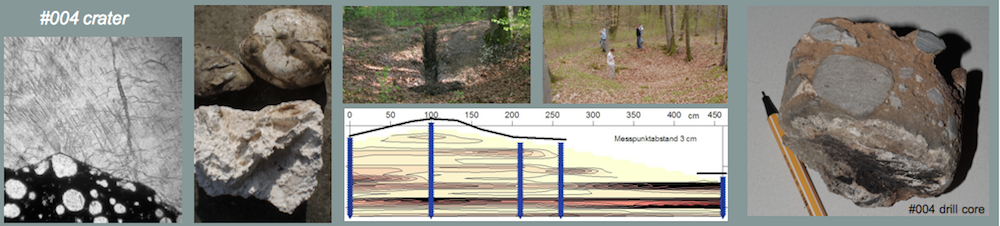
It reports about impact melting of crater cobbles and about a meteorite fragment in crater Emmerting 4 (in the previous impact literature crater #004). Although these are interesting new findings presented in the poster, Procházka’s contribution does not show great scientific honesty, to say the least.
Crater #004 near Emmerting is listed by Procházka as one of several other craters and depressions as having been studied for about two decades, but a clear classification as an impact crater is denied. Only a reference to an affirmative work of 25 years ago is quoted, but extensively referred to inapplicable explanations of anthropogenic origin.
A published seminar presentation on the Chiemgau impact was held on March 8, 2016, at the Institute of Geochemistry, Mineralogy and Mineral Resources, Charles University, Prague, on the Chiemgau impact, presented together with colleagues.
This detailed published work by Procházka on the Chiemgau impact crater strewn field (37 pages!), then known for 10 years, and its impact evidence is now simply hushed up at LPSC 2023. Not even the word Chiemgau appears in the text of his contribution.
I add:
At the LPSC alone, where now Procházka presents the #004 crater, there are seven contributions to the Chiemau impact in the years 2012 – 2020. Moreover, three contributions at the Planetary Crater Consortium meetings, also three contributions at the Meteoritical Society Meetings and two contributions at the AGU Fall Meeting can be added.
Eleven mostly peer-reviewed articles on the Chiemgau impact have been printed in scientific journals from 2006 – 2023.
Unfortunately Procházka joins the group of a few researchers from the so-called “impact community”, connected with the Earth Impact Database at the Canadian University of New Brunswick under the direction of John Spray, who also keep silent about the Chiemgau impact as the currently most important Holocene impact event with well over 100 craters, all proven impact criteria, and exciting published archeological references (also see here).
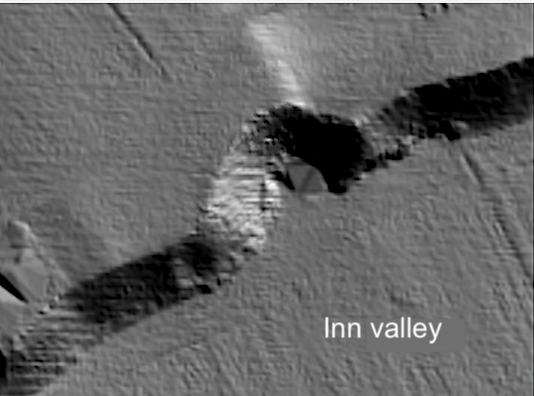
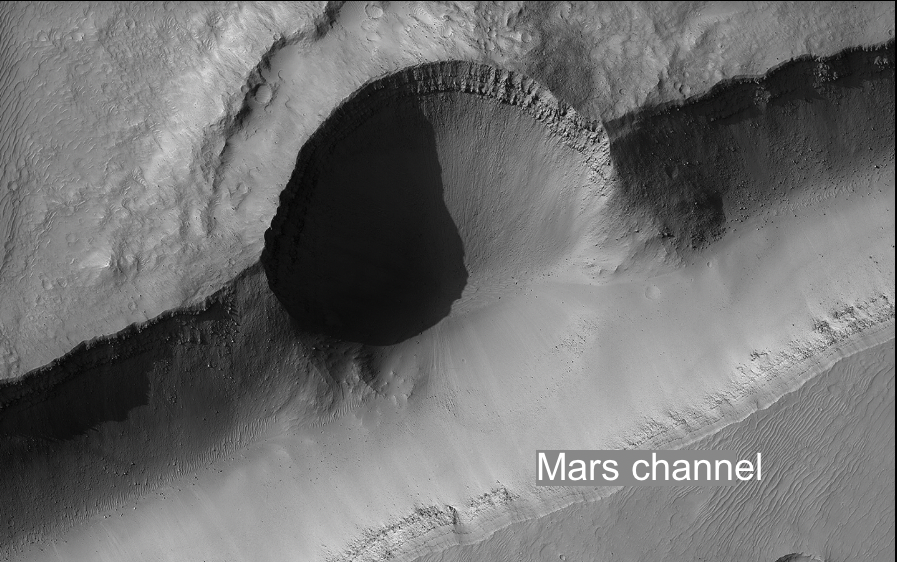
How much they resemble each other: Chiemgau impact and Mars impact.
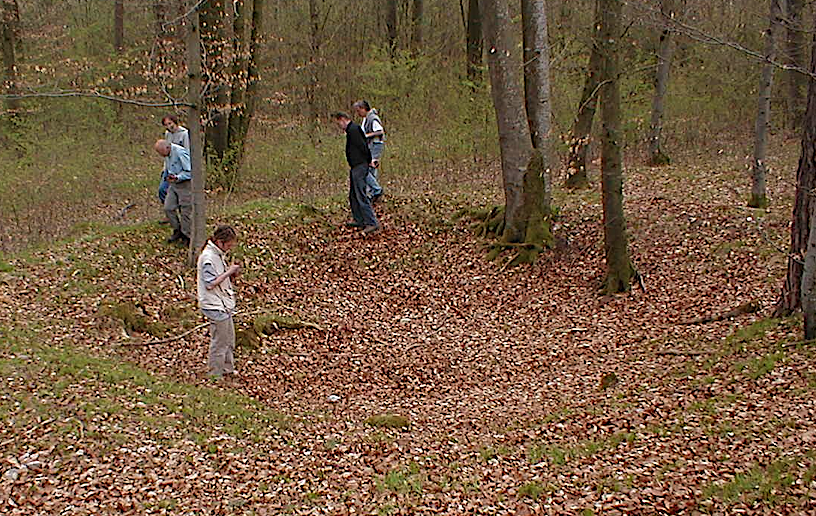
Top: The Aiching/Dornitzen semi-crater punched into the Inn Valley slope today, after the other half has been “shaved off” by the Inn River.
Below: This image was taken by NASA’s Mars Reconnaissance Orbiter on March 12, 2022. It shows a crater punched into the Martian surface, exposing several previously formed layers. Half of the crater was then destroyed when the Mars channel was opened. – NASA/JPL-Caltech/University of Arizona.
Interestingly, the Chiemgau and Mars craters are about the same size (50 m), with objects about 1.5 m in size still resolved in the Mars crater image.
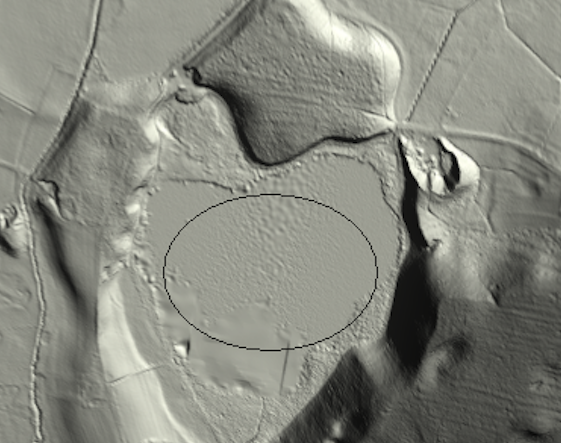
With respect to the Tüttensee crater, it is remarkable in this Mars crater that also a terrace-shaped ejecta rim has developed after a part of the crater-facing wall has flowed back into the hollow form.
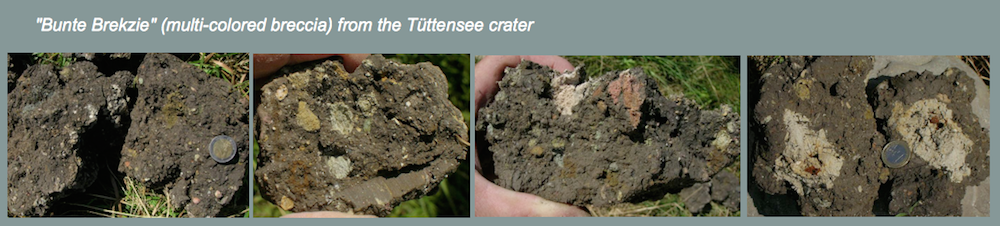
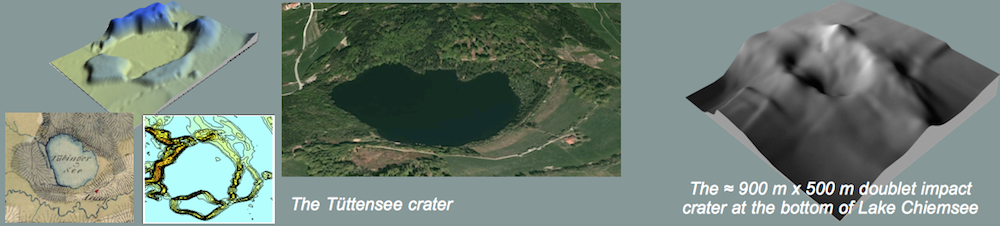
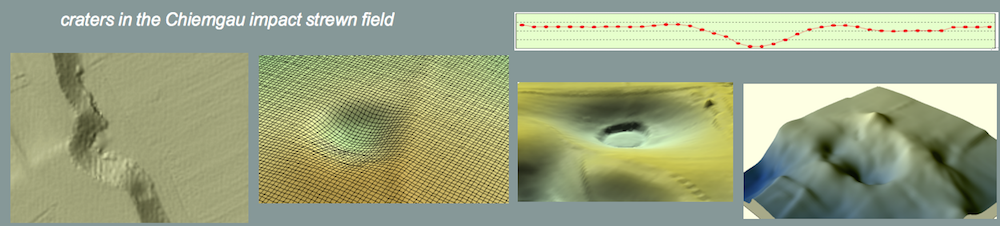
Digital terrain model DGM 1 of the Tüttensee crater with the true inner crater with a good 300 m diameter and the terraced ring wall measuring 600 m.
Michael A. Rappenglück (2022): Natural Iron Silicides: A Systematic Review
In this extensive review article, author Rappenglück devotes a more detailed section to the world’s unique iron silicide strewn field of the Chiemgau impact. This section can be read here below.
This review systematically presents all finds of geogenic, impact-induced, and extraterrestrial iron silicide minerals known at the end of 2021. The respective morphological characteristics, composition, proven or reasonably suspected genesis, and possible correlations of different geneses are listed and supported by the available literature (2021). Artificially produced iron silicides are only dealt with insofar as the question of differentiation from natural minerals is concerned, especially regarding dating to pre-industrial and pretechnogenic times.
Excerpt of the article on the iron silicide strewn field of the Chiemgau impact. The respective references on the iron silicides can be found in the main article
11. Iron Silicides Associated with Craters
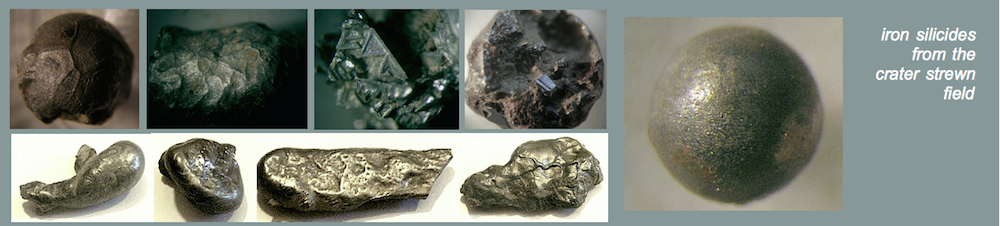
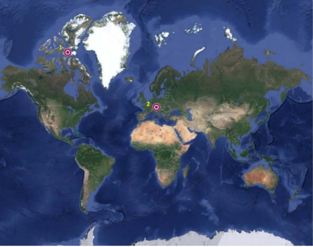
In a few cases, iron silicides may be associated with individual craters or crater fields (Figure 9). The Haughton impact crater (Devon Island, Territory of Nunavut, Canadian Arctic, 75◦220 N, 89◦410 W), 23–24 km in diameter, contains iron silicides together with moissanite (SiC, native Si, and other silicides of Al, Ni, Ba, Ti, and V (here VSi2). The hexagonal crystals comprise vanadium silicide (VSi2) with minor Ti and Ba substitutions for V within silicate glass produced by the impact event [402,403]. The impact is dated to the Eocene, 39 my ago.
Figure 9. Iron silicides associated with craters: (1) Haughton impact crater (2) Chiemgau impact crater strewn field. Source: Michael A. Rappenglück, based on Google My Maps.
A comprehensive relation of iron silicides in craters in an extensive strewn field may be undertaken using material from the Chiemgau Impact site. The crater strewn field of the “Chiemgau impact” is evidence of a large meteorite impact that occurred in prehistoric times in the foothills of the Bavarian Alps [404–406]. The area extends roughly elliptically over an area of about 60 km × 30 km (c. 1800 km2 , 47.8◦–48.4◦ N, 12.3◦–13.0◦ E) between Altötting, Lake Chiemsee and the Alps, Bavaria, Germany. Nearly 80 craters have been documented. The impactor that caused the event is likely to have been a relatively porous object consisting of various components that broke apart in the atmosphere. The analysis of the composition of an impact rock showing the shock metamorphoses typical for an impact and, at the same time, fusing with the metallic components (high lead bronze and iron) of artefacts from the archaeological layer, makes it possible to date the Chiemgau impact to ca. 900–600 BC [407,408]. The published research results evidence an impact event based on the relevant criteria and methodology required in the scientific community. However, the relationship of the geological and archaeological structures and material findings to an impact event has been questioned [409–413] and debated [404,408,414–422].
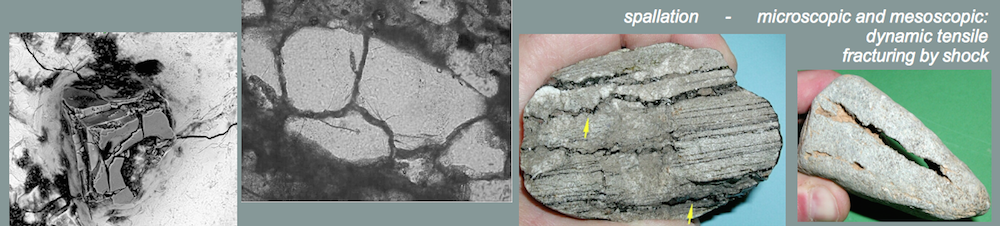
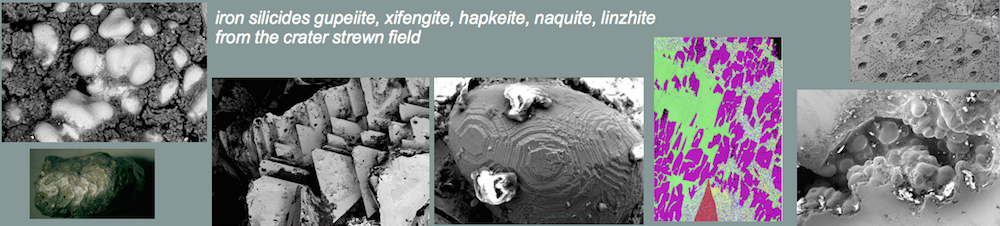
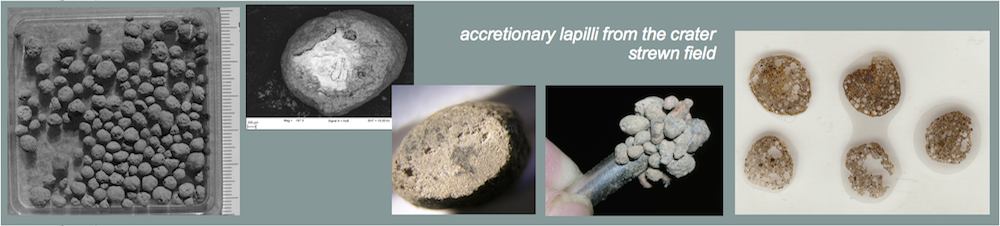
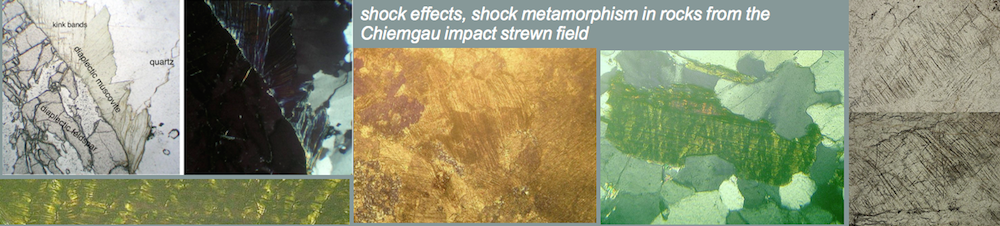
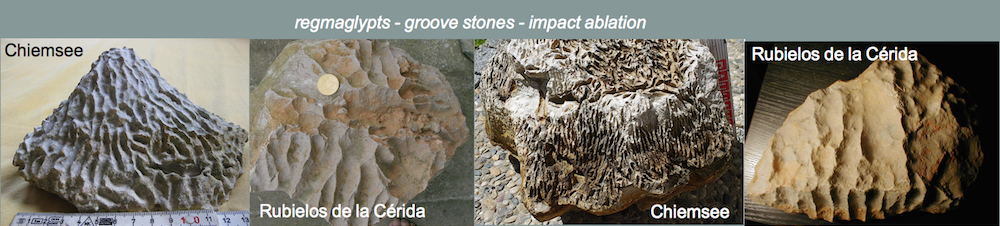
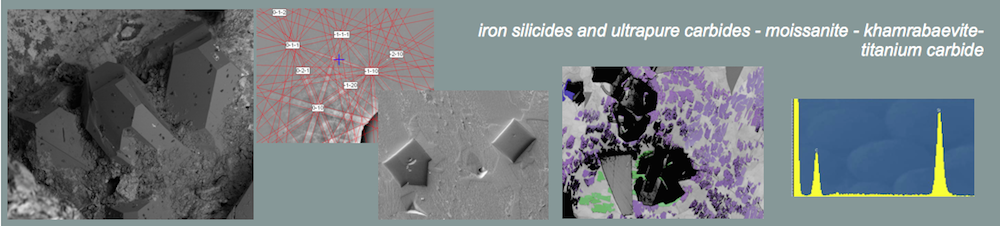
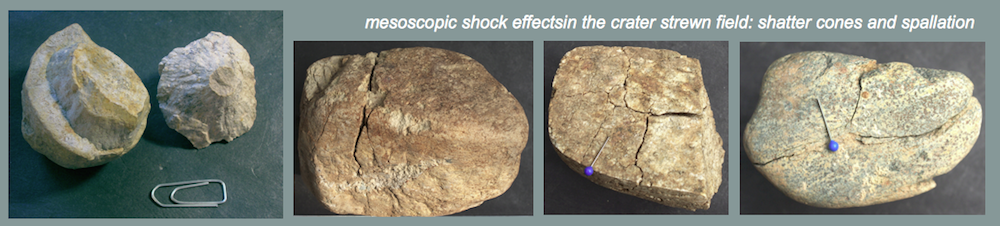
In the crater strewn field, a total of 2–3 kg of particles, hardly corroded or not corroded at all and showing a metallic sheen, were found distributed over hundreds of square kilometres. They were often are shaped in aerodynamic forms such as ellipsoids, spheres, buttons and drops, but also as splinters and pieces (from 1 mm up to 6 cm and 167 g), or even an 8 kg lump in the subsoil down to the substratum (≈ 30–40 cm) in a glacially formed layer [404,405]. A smoothed convex face and a flat irregularly shaped reverse were frequently observed. The material is tough and magnetic [414,423]. Some specimens show a remaglyptic surface. There is also accretionary lapilli with magnetic xifengite cores. Iron silicide splinters also occurred in foamy-porous carbonate matrices, presumably recrystallised carbonate melt. Big sparkling crystals (moissanite) protruding from the metallic matrix are visible to the naked eye. Fersilicite/naquite (FeSi), ferdisilicite/linzhiite (FeSi2), hapkeite (Fe2Si) as cubic (hapkeite-1C) and trigonal (hapkeite-1T), gupeiite (Fe3Si), suessite (Fe,Ni)3Si, xifengite (Fe5Si3), and in traces suessite (Fe,Ni)3Si were detected [404,424–427]. FexSiy appeared as irregular, round blebs (5–40 µm) and pyramid-shaped formations (≈600 µm) in the microstructure. The intergrown iron silicides formed a matrix for various mineral inclusions. Among them were cubic moissanite ([β]3C-SiC) and titanium carbide (TiC) crystals (≈ 40 µm × 80 µm) of extreme purity, as well as TiC0.63. Khamrabaevite ((Ti,V,Fe)C) was frequently present. There was zirconium carbide (ZrC), possibly baddeleyite (ZrO2) and uranium carbide (UC). Zircon Zr[SiO4] crystals (3–10 µm) and uranium (U) as caps were recognisable. Sometimes, SiC appeared peppered with U blobs. Moreover, calcium-aluminium-rich matter, like the calcium aluminate/krotite (CaAl2O4) and dicalcium dialuminate (Ca2Al2O5) [426], was identified in the material. There were also graphite and nanodiamonds (C). Ni (≈ 0.8 wt%) was present in the suessite (Fe,N)3Si. The amount of Cr was ≈ 0.5 wt%. In addition to the main component, i.e., FexSiy, more than 40 other chemical elements, including uranium and REE (e.g., Y, Ce, La, Pr, Nd, Gd, Yb) have been detected so far. In one sample Th was marginally detectable, and in another, a trace of Po was found. Lead was completely absent. Previous individual findings of a different nature could not be confirmed [409,410]. Although uranium was present in spectra in clear quantities, there was no evidence of daughter nuclides, grandchild nuclides, etc. The microstructure of the material showed clear signs of very intense mechanical overload, which, in principle, could have been caused by high shock effects (pressure, dynamic spallation, and thermal). This caused deformation lamellae and various crack features, e.g., tensile open fractures and groups of subparallel open fissures in FexSiy, TiC crystal, and multiple sets of planar features (PF), kink bands, planar deformation features (PDF) in SiC crystal. The FexSiy matrix was littered with rimmed microcraters (10–20 µm), sometimes showing “ring walls”, probably from the impacts of microparticles. The fersilicites regularly occurred near rimmed nanometre craters. Detailed images showed that zircon crystals struck the plastically deformed or even liquefied matrix of iron silicides. Minerals 2022, 12, 188 27 of 49 It is assumed that disturbance waves ran through the material and suddenly stopped, so that the matrix froze.
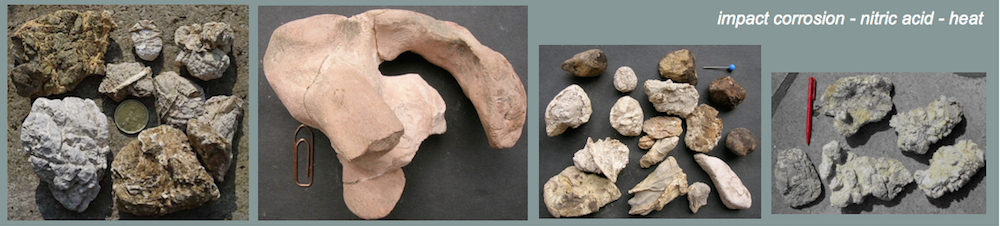
The mixture of minerals in the iron silicide matrix was unusual; they were distributed in it with low/high pressure and/or low/high temperature. There was monoclinic high temperature (>1773 K), low-pressure dimorph of CaAl2O4 [419,426], known as krotite. As a natural mineral, it has been identified in meteorites NWA 1934 [428] and in the basic/ultrabasic basaltic volcano complex of Mt. Carmel (Rakefet magmatic complex, Mount Carmel, Haifa District, Israel, 32◦4305900 N, 35◦2 05900 E; see above), dated to the Late Cretaceous (96.7 ± 0.5 Ma) and assigned to kimberlites [429]. At the latter site, orthorhombic dicalcium dialuminate (Ca2Al2O5), was found, i.e., unnamed UM1977-08-O:AlCaH [430], a high-pressure phase (>2.5 GPa) [431] with the brownmillerite-type structure. This was also identified in the iron silicide matrix of the Chiemgau impact [419,426]. That phase can also be produced at ambient pressure but under quite high temperatures [431]. Moreover, in the large area of the Hatrurim Formation (Israel, 31◦ N, 35◦ E), where the rocks, consisting of chalk, limestones, marl, enriched with bituminous compounds, have been intensely heated and metamorphosed, Ca2Al2O5 was also detected [432,433]. The chronology there is Late Cretaceous/Early Eocene (66.0–47.8 mya). Ca2Al2O5 was also detected in the xenoliths of the Ettringer Bellerberg volcanic system (Ettringen, Mayen-Koblenz, Rhineland-Palatinate, Germany, 50◦2100.8800 N, 7◦13041.6500 E), dated c. 0.215 ± 0.004 to 0.190 ± 0.004 mya [434]. In addition, the iron silicide suessite (Fe,Ni)3Si formed from the matrix at more than 2000 K, and cubic moissanite ([β]3C-SiC) as well as nanodiamonds indicated high shock pressure [243]. Xifengite (Fe5Si3) and carbon spherules within amorphous carbon were found in the glazed enamel skin of a pebble from crater #004 in the field. High temperatures (thermal shock), >1773 K and pressures, as well as a magnetic anomaly, have been documented for the rocks in that crater [417,435]. Finally, an iron silicide lump (c. 16 cm × 11 cm × 5 cm, 8 kg), found approximately 30 years ago near Grabenstätt at Lake Chiemsee, is reported to contain cubic hapkeite (Fe2Si, cubic and trigonal polymorph), gupeiite (Fe3Si), xifengite (Fe5Si3), titanium carbide (TiC)/khamrabaevite ((Ti,V,Fe)C), moissanite (cubic SiC), zirconium carbide (ZrC), graphite and graphene [424,426]. When writing this review, the block is the largest known example containing natural cubic and trigonal Fe2Si.
Collectively, the iron silicides hapkeite (Fe2Si), suessite (Fe,Ni)3Si) and xifengite (Fe5Si3) in the matrix, the mixture of mineral inclusions, which prove the effects of high but also low temperatures and pressures, the large-scale distribution, the association with craters in a strewn field, the finds in proven old layers of the Middle Ages from below a medieval hoard of coins and a castle, in peat mires and on the heights (>1000 m) of the neighbouring Alps exclude an anthropogenic-industrial origin (including bombing) [410] of these materials [404,405,414,435]. A geogenic source is also not plausible [414,435]. A primary extraterrestrial, including perhaps already a mixture in space or a secondary terrestrial (ejecta) source, is suggested [404–406]. The high degree of similarity among the finds from the Chiemgau impact with those from the Alatau and Kalu ranges (Southern Urals, Ishimbayskiy rayon, Republic of Bashkortostan, Russia Ural, Russia) and Laurel Hills, Holmdel (New Jersey, USA) is striking (see above). The findings on the association of uranium and fersilicites, moissanite, titanium carbide, graphite, and the special khamrabaevite are particularly significant. Thus, the iron silicides of the Chiemgau impact can, in principle, also be classified as (distal) impact ejecta. However, in contrast to, and as an extension of, the Alatau and Kalu as well as the Laurel Hills findings, there is a vast crater-strewn field which is genetically associated with the iron silicides, and within the iron silicide matrix are rare krotite (CaAl2O4) and dicalcium dialuminate (Ca2Al2O5). Although FexSiy can be anthropogenic in origin, it is usually not comparable to the iron silicides and associated material found in the Chiemgau strewn field. Given that the known occurrences of FexSiy include several examples of extraterrestrial origin, such an origin is plausible unless a separate, nonimpact origin for FexSiy can be clearly demonstrated.
An additional, still unknown process or a mixture with the extraterrestrial material of the impactor is assumed here.
A recent article by Kenkmann et al. in the GSA Bulletin titled
Secondary cratering on Earth: The Wyoming impact crater field
has led to a plethora of noticeable reactions especially on the internet and has led to an extensive critical commentary article that can be clicked HERE on the website for an introduction and HERE as a PDF. The commentary article, which comprehensively contrasts the Wyoming impact crater field with the Chiemgau impact crater field, accuses the authors of serious methodological errors and scientifically incorrect work. The conclusion is that this alleged Wyoming secondary crater field does not exist.
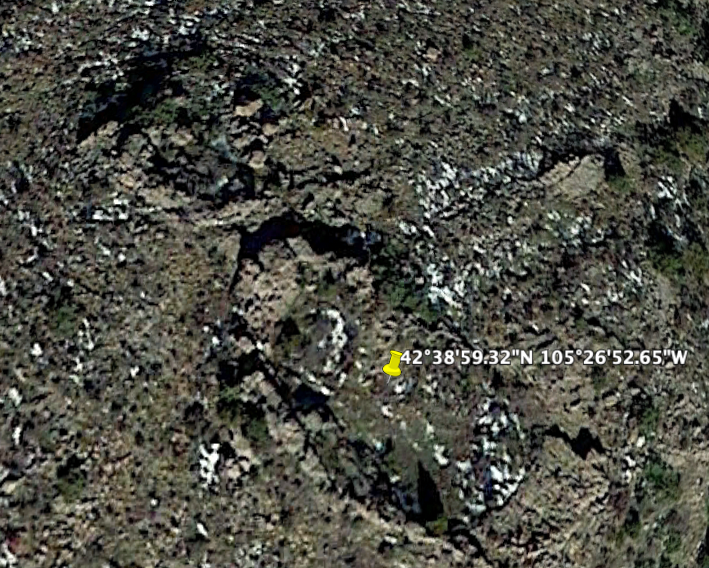
Three Examples of the Wyoming impact craters. Google Earth.
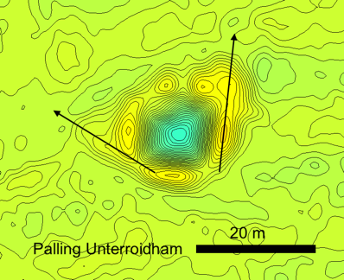
Chiemgau impact crater: Digital Terrain Model DGM 1 – topographic contour lines.
The Chiemgau Impact – a meteorite impact in the Bronze-/Iron Age and its extraordinary appearance in the archaeological record
Barbara Rappenglück (Gilching), Michael Hiltl (Oberkochen), Michael Rappenglück (Gilching), Kord Ernstson (Würzburg)
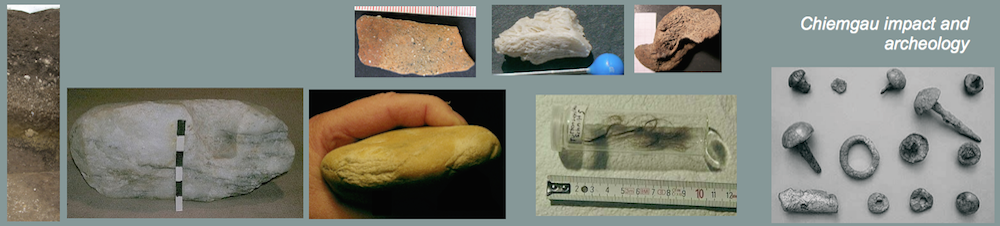
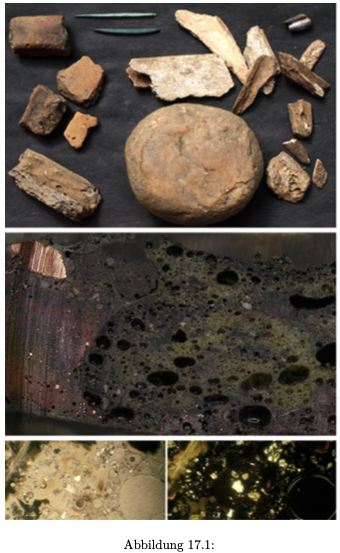
Abstract. – The largest meteorite impact of the Holocene known to date occurred during the Bronze/Iron Age in southeastern Bavaria, between Altötting and the edge of the Alps. The event is known as the “Chiemgau Impact”. More than 100 craters with diameters from 5m up to several hundred meters are distributed over an area of about 60km length and 30km width. Finds of meteoric material confirm the event as well as the widespread evidence of so-called shock metamorphosis in the rock. The article focuses on new investigations of “slags” from an archaeological excavation in Chieming-Stöttham, on the eastern shore of Lake Chieming. Six objects analysed with polarisation microscope and SEM-EDS turned out to be complex combinations of rock and metal particles. While the rock components show the shock metamorphosis typical for a meteorite impact, the metallic components proved to be remnants of artefacts made of bronze or iron with a high lead content. Together they form an impact rock. To our knowledge, these are the first examples worldwide in which artefacts have become components of an impact rock. In addition, the special nature of the metallic components and the consideration of the archaeological context allow the more precise dating of the Chiemgau Impact to approximately 900–600 BC.
Four new Proceedings contributions – three of them directly related to the Chiemgau impact.
The May conference “Yushkin Readings 2020 – Modern Problems of Theoretical, Experimental, and Applied Mineralogy” has been postponed for the time being to 7-10 December 2020 due to the pandemic. In anticipation of this, the 407-page conference proceedings of all papers accepted for presentation have now been printed and published on the Internet. The four papers submitted by the CIRT together with co-authors from ZEISS (Dr. Hiltl), Oxford Instruments (Dr. Bauer) and the Russian Academy of Sciences (Dr. Shumilova) are included.
An eight kilogram chunk and more: evidence for a new class of iron silicide meteorites from the Chiemgau impact strewn field (SE Germany)F. Bauer, M. Hiltl, M. A. Rappenglück, K. Ernstson
Evidence of meteorite impact-induced thermal shock in quartzK. Ernstson
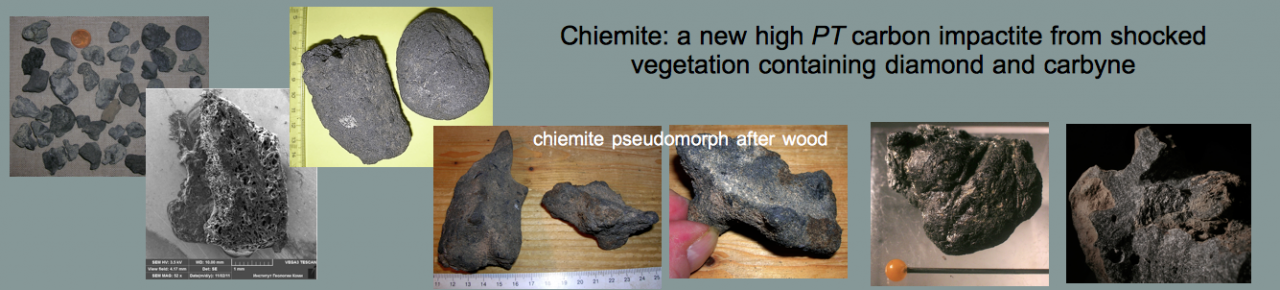
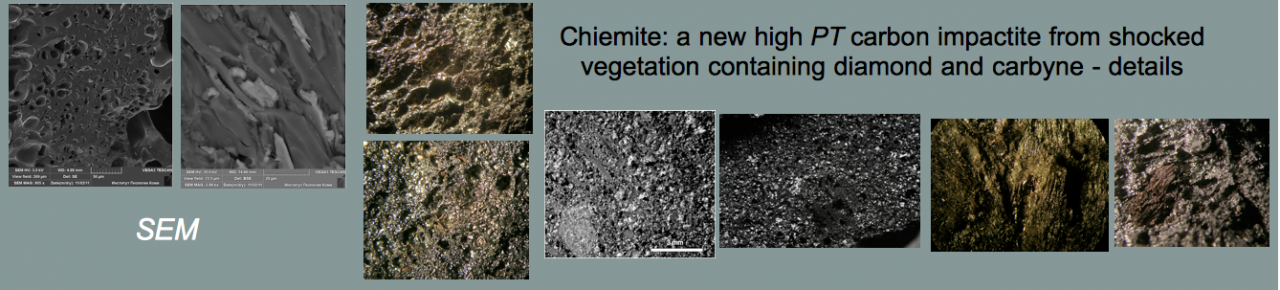
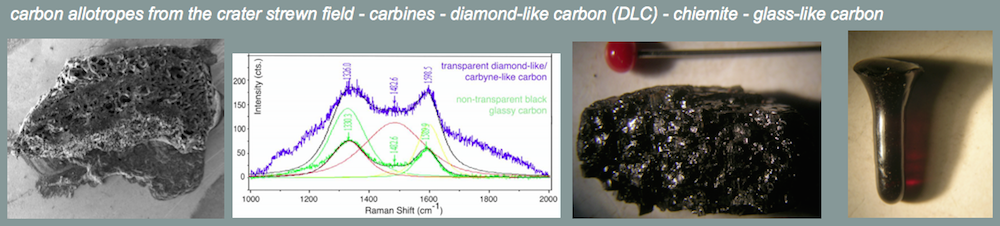
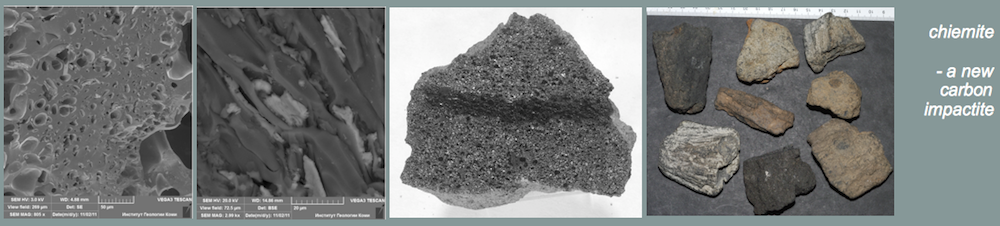
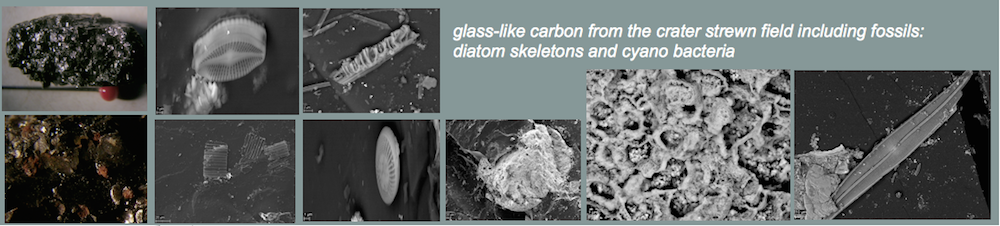
Chiemite — a high PT carbon impactite from shock coalification/carbonization of impact target vegetationK. Ernstson, T. G. Shumilova
Artifact-in-impactite: a new kind of impact rock. Evidence from the Chiemgau meteorite impact in southeast GermanyB. Rappenglück, M. Hiltl, K. Ernstson
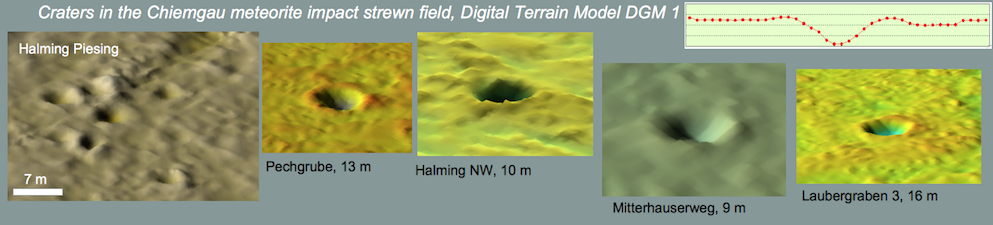
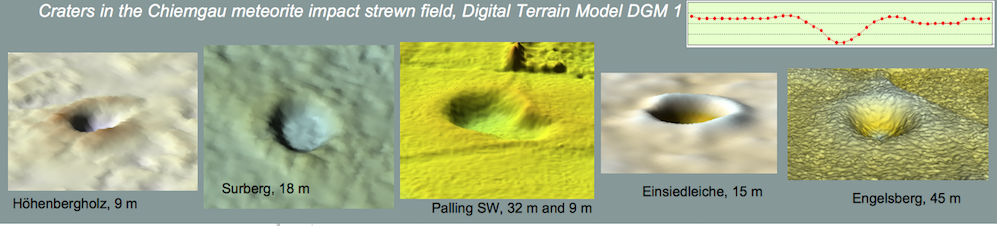
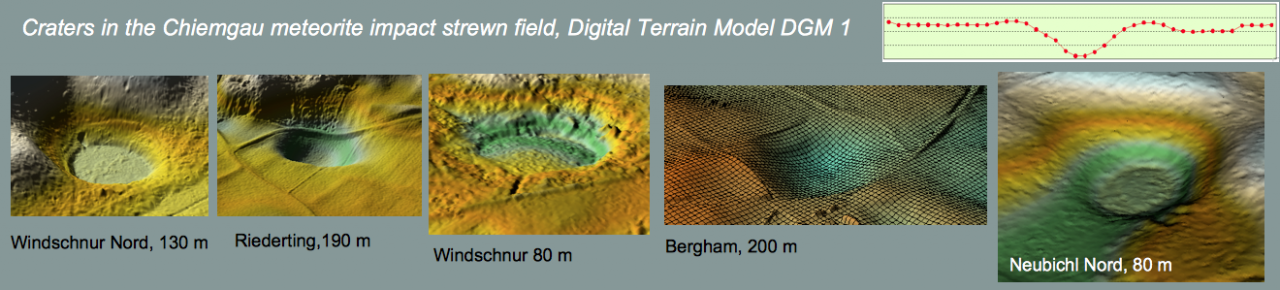
DIGITAL TERRAIN MODEL (DTM) TOPOGRAPHY OF SMALL CRATERS IN THE HOLOCENE CHIEMGAU (GERMANY) METEORITE IMPACT STREWN FIELD. K. Ernstson and J. Poßekel
The Digital Terrain Model (DTM) of craters in the Chiemgau meteorite impact strewn field with extreme topographic resolution excludes anthropogenic and glacial origin in principle and provides insight into unusual formation processes.
NOT JUST A RIMMED BOWL: GROUND PENETRATING RADAR (GPR) IMAGERY OF SMALL CRATERS IN THE HOLOCENE CHIEMGAU (GERMANY) METEORITE IMPACT STREWN FIELD. J. Poßekel and K. Ernstson
High resolution ground penetrating radar (GPR) measurements over craters of the Holocene Chiemgau impact meteorite crater strewn field reveal instructive images of complex structures and chronological sequences during excavation.